Rubies are among the most sought-after gemstones in the world, prized for their vivid red hue, exceptional hardness, and rarity. As their value continues to grow, so does the prevalence of synthetic and imitation rubies in the market. Whether you are an investor, collector, or simply a jewelry enthusiast, knowing how to identify a genuine ruby is essential to making informed and confident purchases.
In this blog, we will explore key methods and professional techniques used to distinguish authentic rubies from their synthetic or imitation counterparts.
1. Examine the Color
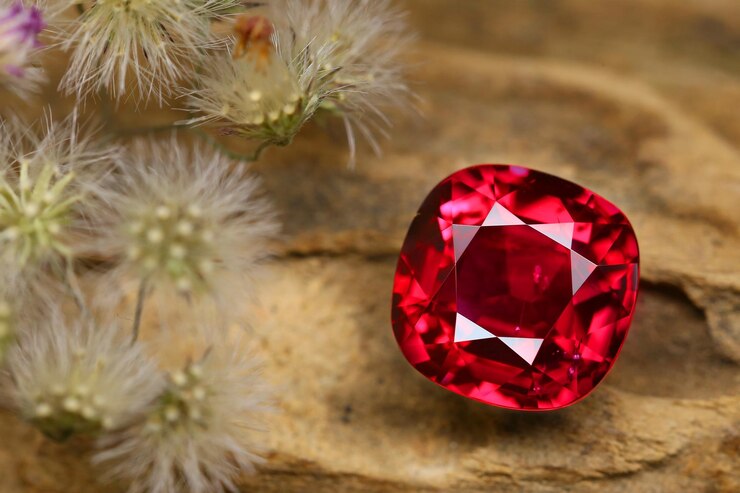
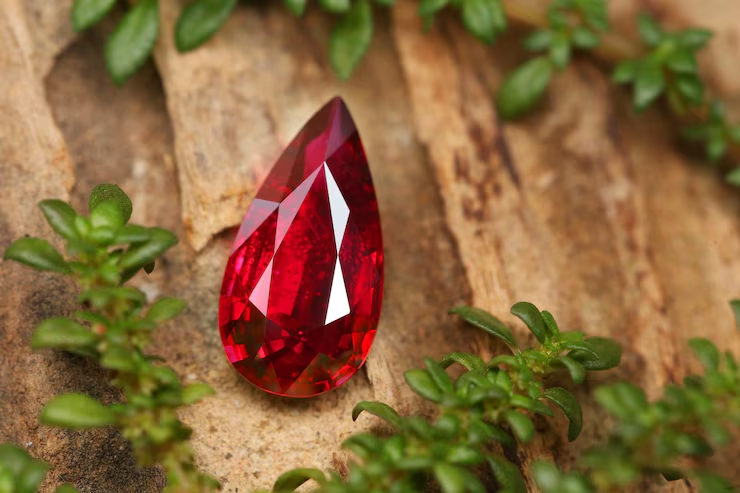
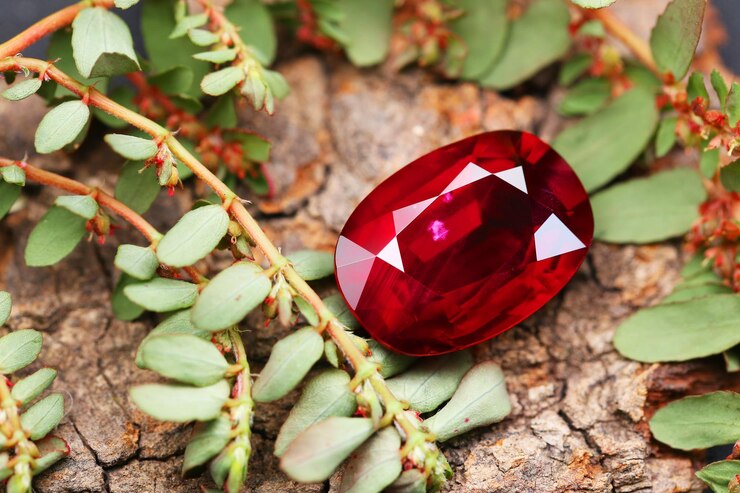
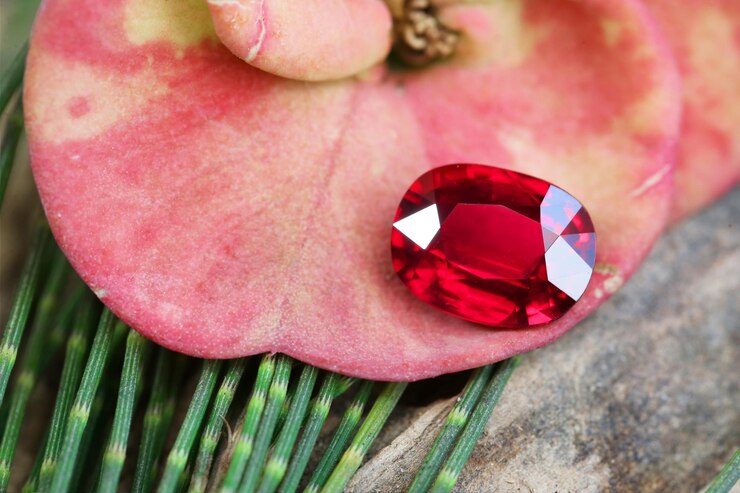
Color is the most defining feature of a ruby. Genuine rubies typically exhibit a rich, vibrant red with hints of blue or purple. This color is often referred to as "pigeon's blood" and is highly prized.
Too Perfect Color: If the red appears too perfect, vivid, or consistent across the stone, it may be synthetic.
Overtones: Natural rubies may show slight color zoning or overtones depending on lighting and angle.
2. Assess the Clarity and Inclusions
While synthetic stones often appear flawless, natural rubies typically contain inclusions known as "silk" (fine rutile needle-like inclusions) and small mineral particles.
Internal Flaws: A genuine ruby will often have minor imperfections, such as small cracks, tiny gas bubbles, or other natural mineral inclusions.
Loupe Inspection: Using a jeweler’s loupe (10x magnification) can help reveal these natural characteristics.
3. Test the Hardness
Rubies rank 9 on the Mohs scale of hardness, making them second only to diamonds.
Scratch Test: Though not advisable for valuable stones, rubies can scratch almost any material except diamonds. However, professional testing should be non-destructive to avoid damage.
4. Perform a Light and Fluorescence Test
Genuine rubies often exhibit strong red fluorescence under ultraviolet (UV) light, which can help differentiate them from some synthetic stones and imitations.
Fluorescence: If the stone glows a strong red under UV light, it is likely a natural or high-quality synthetic ruby. A lack of fluorescence could indicate a lower-grade or imitation stone.
5. Use Professional Gemological Tools
Advanced instruments offer precise analysis:
Refractometer: Measures the refractive index, with natural rubies typically falling between 1.762 to 1.770.
Spectroscope: Reveals absorption lines typical of natural rubies.
Microscope Examination: Gemologists can spot internal features indicative of natural formation versus synthetic growth.
6. Check for Treatments
Many natural rubies undergo treatments, such as heat treatment, to enhance color and clarity.
Disclosure Requirement: Reputable sellers disclose any treatments. Treated rubies are still valuable but priced lower than untreated ones.
Glass-Filled Rubies: Lower-quality rubies filled with lead glass are more affordable but significantly less valuable and require careful handling.
7. Seek Certification
Always request certification from a reputable gemological laboratory, such as:
GIA (Gemological Institute of America)
AGL (American Gemological Laboratories)
IGI (International Gemological Institute)
A certificate provides a detailed report of the ruby's characteristics, authenticity, and any treatments applied.




Best Forever